

Introduction:
Diesel generators play a vital role in various industries, providing backup power during outages or serving as the primary source of electricity in remote locations. These powerful machines are subject to regulatory inspections to ensure compliance with safety standards and environmental regulations. In this article, we will delve into the importance of regulatory inspections for diesel generators, the key areas covered during inspections, and the steps to ensure compliance and safety.
1. The Significance of Regulatory Inspections:
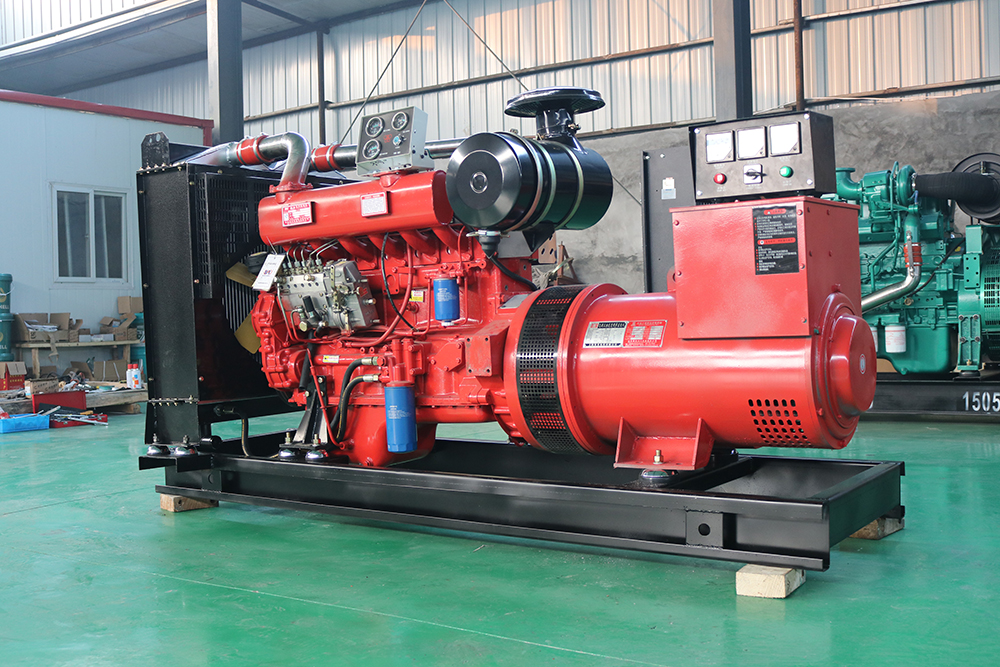
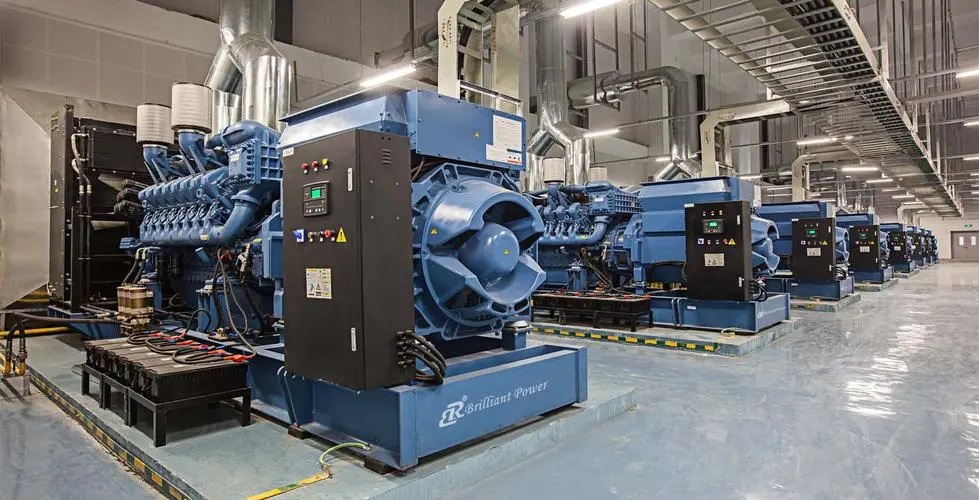
Regulatory inspections for diesel generators are essential to maintain a safe working environment and prevent potential hazards. These inspections are conducted by regulatory bodies to ensure compliance with local, national, and international safety standards, emissions regulations, and noise control requirements. By regularly inspecting Diesel generator for remote power supply , organizations can identify and address any issues promptly, minimizing the risk of accidents, environmental damage, and costly downtime.
2. Key Areas Covered in Regulatory Inspections:
a. Safety Measures:
During regulatory inspections, safety measures are thoroughly assessed to ensure the protection of personnel and property. This includes checking for proper grounding, adequate ventilation, fire suppression systems, and emergency shutdown procedures. Additionally, inspections focus on the condition and functionality of safety devices such as alarms, sensors, and emergency stop buttons.
b. Emissions Control:
To address environmental concerns, regulatory inspections examine diesel generators' emission control systems. These systems are responsible for reducing harmful pollutants released into the atmosphere. Inspections often involve testing exhaust emissions, inspecting diesel particulate filters, and verifying compliance with emission limits set by regulatory authorities.
c. Fuel Storage and Handling:
The safe storage and handling of diesel fuel are crucial to prevent accidents and minimize environmental risks. Regulatory inspections assess the storage tanks' integrity, containment systems, and proper labeling. Additionally, inspections verify if proper spill prevention and control measures are in place, such as secondary containment, spill kits, and procedures for fuel transfer.
d. Noise Control:
Diesel generators can generate significant noise levels, which can be a nuisance to nearby communities and a potential health hazard for workers. Regulatory inspections assess noise control measures, including the installation of soundproof enclosures, exhaust silencers, and vibration isolation systems. Compliance with noise level restrictions is verified through sound level measurements conducted during inspections.
e. Maintenance and Testing:
Proper maintenance and regular testing are crucial to ensure the reliable operation of diesel generators. Inspections focus on maintenance records, including scheduled maintenance performed, replacement of worn-out parts, and adherence to manufacturer guidelines. In addition, inspections may include load bank testing to verify the generator's capacity and performance under full load conditions.
3. Steps to Ensure Compliance and Safety:
a. Regular Maintenance:
Implementing a comprehensive maintenance program is vital to ensure the safe and efficient operation of diesel generators. This includes routine inspections, lubrication, filter replacement, and periodic testing of critical components. Adhering to manufacturer recommendations and keeping accurate maintenance records are essential for regulatory compliance.
b. Training and Competence:
Proper training of personnel responsible for operating and maintaining diesel generators is crucial to ensure safe practices and compliance with regulations. Organizations should provide comprehensive training programs covering generator operation, emergency procedures, safety protocols, and environmental regulations. Ensuring the competence of personnel through certifications and ongoing training is essential for regulatory inspections.
c. Environmental Compliance:
To meet environmental regulations, organizations should focus on reducing emissions from diesel generators. This can be achieved by installing emission control systems, such as diesel particulate filters and selective catalytic reduction systems. Regular monitoring and testing of exhaust emissions, coupled with prompt maintenance and repairs, ensure compliance with emission limits.
d. Documentation and Record Keeping:
Maintaining accurate documentation and records of inspections, maintenance activities, and compliance measures is crucial for regulatory inspections. These records serve as evidence of compliance and provide a historical reference for future inspections. Implementing a robust record-keeping system helps organizations identify trends, track improvements, and demonstrate their commitment to safety and regulatory compliance.
Conclusion:
Regulatory inspections for diesel generators are essential to ensure compliance with safety standards, environmental regulations, and noise control requirements. By focusing on key areas such as safety measures, emissions control, fuel storage and handling, noise control, and maintenance, organizations can maintain a safe working environment and minimize the risk of accidents and environmental damage. Implementing regular maintenance, providing training and competency programs, prioritizing environmental compliance, and maintaining accurate documentation are crucial steps towards ensuring compliance and safety during regulatory inspections. By adhering to these measures, organizations can not only meet regulatory requirements but also enhance the reliability and longevity of their diesel generators.